

Bed bug infestations are on the rise across Florida, and they’re not going away anytime soon. With a warm and humid climate and year-round tourism, this state is the perfect environment for bed bugs to spread. These pests are increasingly difficult to control due to growing resistance to insecticides and the return of the tropical bed bug species.
If you live in Florida or if you travel there frequently, this guide will help you understand how to identify bed bugs, the risks they pose, where they hide, and the most effective treatment options available today.
Why Bed Bugs Are a Growing Concern in Florida
Bed bugs thrive in warm temperatures, which makes Florida a high-risk zone. It actually ranks among the top 10 states in the US for bed bug infestations, with an estimated one in five households experiencing an infestation each year. Combined with a steady stream of travelers, rental turnover, and frequent use of shared spaces like hotels and condos, the environment becomes ideal for bed bugs to spread from one location to another.
Even more concerning is the reappearance of the tropical bed bug species, Cimex hemipterus, which is harder to eliminate than the common bed bug (Cimex lectularius). These bugs are increasingly resistant to standard insecticides, which makes professional bed bug treatment in Florida more important than ever.
How to Identify Bed Bugs in Your Home
Bed bugs are small, flat, oval-shaped insects. They are reddish-brown and about the size of an apple seed (5-7 mm long). Young bed bugs (called nymphs) are smaller and lighter in color, making them harder to spot. Bed bug eggs are tiny, white, and about the size of a pinhead.
- Reddish or rust-colored stains on bed sheets or mattresses from crushed bugs
- Tiny dark spots, which are bed bug droppings
- Shed skins as bed bugs grow and molt
- A musty, sweet odor in infested rooms
Bed bugs are nocturnal and tend to hide during the day, which can make early detection difficult. If you notice any of these signs, especially after traveling or staying in shared housing, it’s time to take action.
Are Bed Bugs Dangerous? What You Should Know
Although bed bugs don’t spread diseases, their bites can still lead to several problems. Common physical reactions include itching, redness, and swelling, and in some cases, people may experience allergic responses or develop secondary skin infections from excessive scratching.
Other than physical effects, bed bugs can take a serious toll on mental well-being. Their presence often leads to sleep disturbances, stress, and ongoing anxiety. In Florida, bed bug bites are common and usually appear as small red bumps, often in a line or cluster. While reactions vary, some individuals may develop intense itching or even blister-like rashes. The discomfort and psychological stress caused by an infestation can have a real impact on daily life.
Common Places Bed Bugs Hide in Florida Homes
Bed bugs are excellent at hiding and often go undetected for weeks. Here are the most common hiding spots in Florida homes:
- Mattresses and box springs: You can find them especially hiding along seams, tags, and under fabric.
- Bed frames and headboards: Cracks and joints offer perfect hiding places.
- Couches and upholstered chairs: They can even be found in cushions, crevices, and under fabric.
- Luggage, backpacks, and clothing: Bed bugs are often found here after travel or shared transportation.
- Behind wall hangings, electrical outlets, and baseboards: They can hide in tiny gaps and cracks, often going unnoticed until an infestation grows.
They can spread easily through apartment buildings, hotels, and dormitories, traveling via walls, vents, and pipes.
How to Prevent Bed Bugs in Florida
Prevention is key. Here are some steps Florida homeowners and renters can take:
- Inspect hotel rooms before unpacking when traveling
- Keep luggage off the floor and bed
- Check second-hand furniture thoroughly before bringing it into your home
- Use mattress and box spring encasements
- Reduce clutter and vacuum regularly
- Be careful in shared laundry facilities
Bed Bug Treatment Options That Work
Dealing with bed bugs isn’t a job for most homeowners to do on their own. These pests are persistent and can survive up to a year without feeding. Here’s a breakdown of the most effective bed bug treatment options in Florida:
Heat Treatments

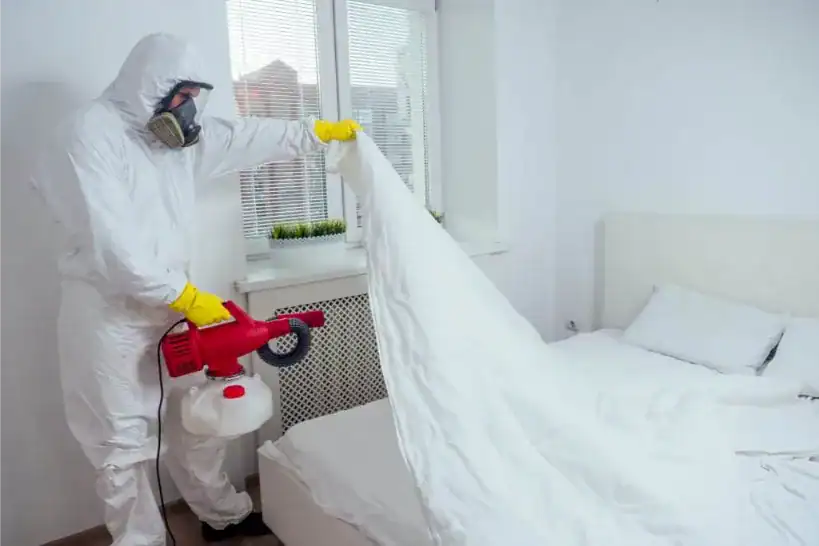
Heat treatment works by raising the temperature in the affected area to around 120°F, which is lethal to bed bugs at all life stages, including eggs, nymphs, and adults. One of the main advantages of heat treatment is that it’s a non-chemical solution, making it a good option for those looking to avoid pesticides. It’s also highly effective and usually eliminates the infestation in a single treatment. However, this method does require professional equipment and expertise, which can make it more expensive than chemical alternatives.
Chemical Applications
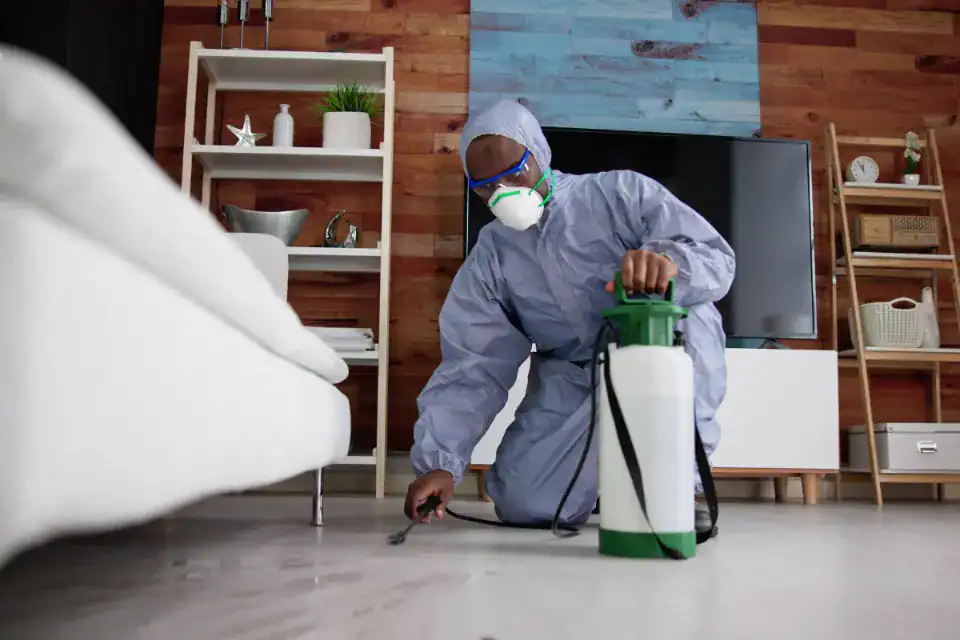
Chemical applications involve the use of insecticides to eliminate bed bugs, but in Florida, many bed bugs have developed resistance to common over-the-counter products. Professional-grade treatments are more effective as they are applied strategically to target infestation zones. One advantage of chemical treatments is their affordability, and they can be used to focus on specific problem areas. However, they often require multiple applications to be fully effective and may not reach bugs hiding deep in cracks, crevices, or inside walls.
Integrated Pest Management (IPM)
Integrated Pest Management (IPM) uses a combination of methods, like inspection, vacuuming, sealing cracks, and heat or chemical treatments, for long-term bed bug control. It’s tailored to each situation and focuses on prevention, but it does require coordination with a licensed professional.
The best approach for bed bug treatment depends on your home, the infestation level, and any health concerns. For example, heat treatments may suit chemical-sensitive households, while large properties may need a more integrated plan.
When to Call a Professional for Bed Bug Treatment
If you’re dealing with any signs of bed bugs in Florida, the safest and most effective approach is to contact a licensed bed bug exterminator in Panama City or your local area. Professional exterminators have the tools, experience, and resources to:
- Conduct thorough inspections
- Confirm the presence of bed bugs
- Develop a customized treatment plan
- Offer post-treatment monitoring and follow-up
Trying to treat bed bugs on your own often leads to incomplete results and recurring infestations. Professionals use proven methods and know how to address infestation hotspots that are easy to miss.
Don’t Wait to Address a Bed Bug Problem
Bed bugs are a growing issue in Florida, and infestations can happen to anyone. The state’s warm climate, high travel rates, and dense living conditions make it easy for bed bugs to spread and hard to eliminate without professional help. Knowing the signs of an infestation, where bed bugs hide, and how to prevent them gives you a head start. But once they take hold, quick action is required. The longer you wait, the harder they are to remove.
Call Arrow Pest Service for Bed Bug Treatment in Panama City, FL!
If you’re seeing bites, stains, shed skins, or just want peace of mind, it’s time to call in the professionals. Arrow Pest Service offers expert inspections and proven treatment options to help you take back your home. Contact Arrow Pest Service today for fast and effective solutions in Panama City and the surrounding areas.