

Bed bugs are a growing concern for homeowners in Panama City, FL. The state has the ideal conditions for these pests to spread, which makes it easier for infestations to start and harder to eliminate them without professional help. While bed bugs don’t transmit disease, their bites can lead to itching, allergic reactions, and stress. Early detection is key to avoiding a full-blown infestation.
If you’re wondering how to spot bed bugs in your home, this guide will help. We’ll cover the basics of bed bug identification, signs of an infestation, common hiding places, and how to tell them apart from similar pests.
What Bed Bugs Look Like: Adults, Nymphs & Eggs
Understanding what bed bugs look like at every stage of their life cycle is the first step in proper bed bug identification.
Bed Bug Eggs

Bed bug eggs are tiny, white, and about the size of a pinhead (approximately 1 millimeter long). They are oval-shaped, sticky to the touch, and often tucked away in hidden cracks or along the seams of mattresses.
Nymphs (Young Bed Bugs)

Nymphs, or young bed bugs, are smaller than adults, measuring just 1 to 4 millimeters. They are pale or translucent and become reddish once they’ve had a blood meal.
Adult Bed Bugs

Adult bed bugs have flat, oval-shaped bodies and are about the size of an apple seed, typically ranging from 4 to 7 millimeters long. They are brownish-red in color and look darker and more swollen after feeding.
Bed bugs are most active at night and feed on human blood. Because they’re small and good at hiding, they can be hard to spot until their population grows.
Key Signs of a Bed Bug Infestation
You may not see live bugs right away, but other warning signs can alert you to their presence:
- Blood stains on your sheets or pillowcases (from crushed bugs)
- Small dark spots (fecal matter) that bleed into fabric like a marker
- Shed skins or molted exoskeletons near sleeping areas
- Musty odor that becomes more noticeable with a larger infestation
- Clusters of itchy bites, usually on exposed skin such as arms, legs, or neck
If you notice one or more of these signs of bed bugs, take action right away. The earlier you address the problem, the easier it will be to get rid of.
Where Bed Bugs Hide in Florida Homes
Bed bugs are experts at hiding in tight and dark spaces. Once inside your home, they can spread quickly from room to room. Here are some of the most common places to check:
- Mattress seams and tags
- Box springs and bed frames
- Couches, recliners, and upholstered furniture
- Cracks in walls or baseboards
- Behind picture frames and mirrors
- Inside electrical outlets or light switches
- In luggage, backpacks, and clothing
Bed bugs in Panama City, FL, and other coastal areas are especially common due to high tourism and short-term rentals, where pests can easily spread between properties. Regular inspections of sleeping and lounging areas are essential.
Bed Bugs vs. Similar Household Pests
It’s easy to confuse bed bugs with other insects, but knowing the differences can save you time and frustration. Here’s how bed bugs compare to similar pests:
Fleas
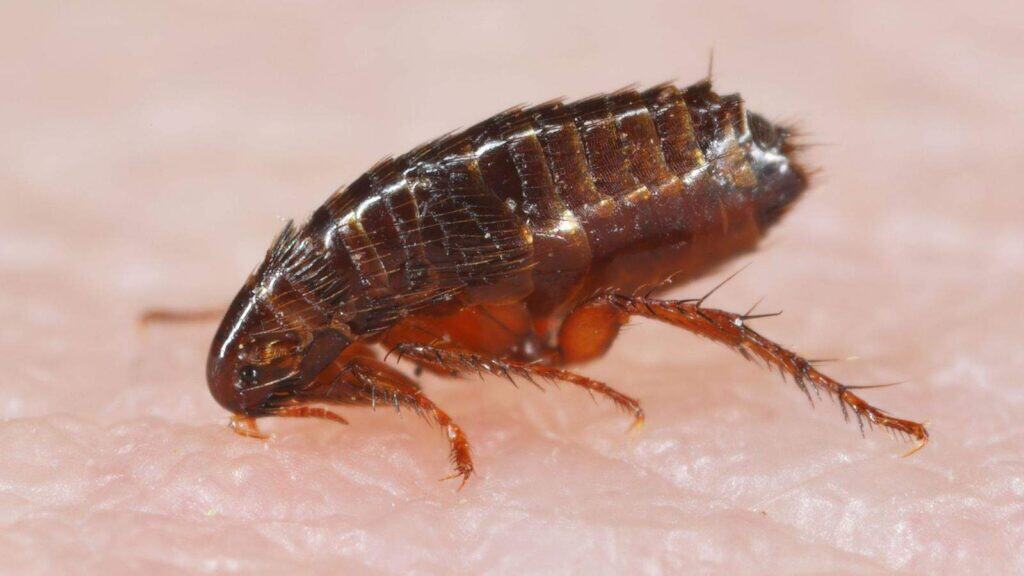
- Smaller than bed bugs (1.5–3 mm)
- Jump rather than crawl
- Usually found on pets or in carpet
- Bites appear on ankles and legs
Carpet Beetles
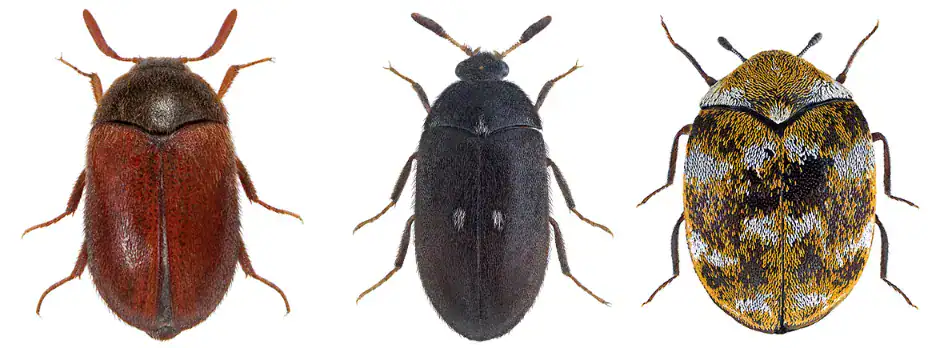
- Round, fuzzy-looking bodies
- Feed on fabric, not blood
- Don’t bite humans but may cause skin irritation
Ticks
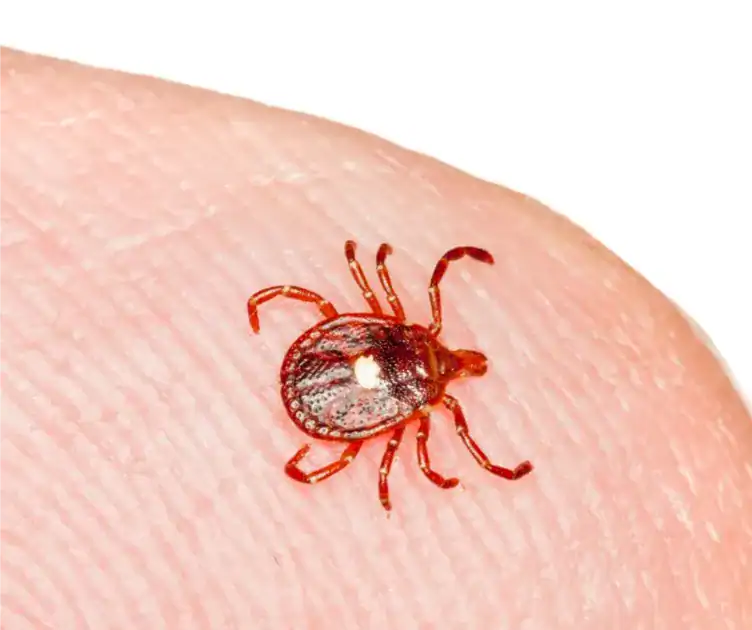
- Rounded body that expands after feeding
- Usually attached to skin or fur
- Found outdoors more often than inside
Cockroach Nymphs
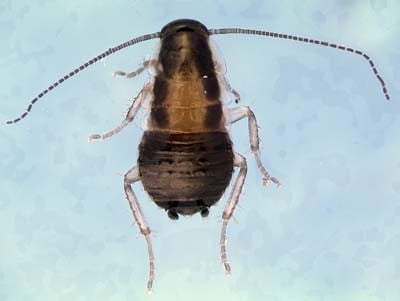
- Larger than bed bugs and move quickly
- Shiny, dark brown, or black in color
- Don’t bite and prefer kitchens or damp areas
If you’re unsure whether you’re seeing bed bugs or something else, it’s always best to contact a professional for confirmation.
What to Do If You Find Bed Bugs
If you’ve discovered signs of bed bugs in your Florida home, don’t rush to throw away furniture right away. Disposing of items too soon can be costly and unnecessary, and it may not even resolve the issue. Avoid moving infested items between rooms, as this can cause the bugs to spread to other parts of the house. Instead, take photos of what you’ve found to document the situation. This can help during inspection and treatment planning.
Most importantly, contact a licensed pest control provider for a professional inspection and treatment, if necessary. Treatment options often include heat treatments, insecticide applications, or integrated pest management (IPM) strategies, depending on how severe the infestation is and your home’s layout.
Get Trusted Bed Bug Extermination in Panama City, FL with Arrow Pest Service
If you suspect bed bugs in your home, don’t wait for the problem to spread. Arrow Pest Service provides fast, discreet, and effective bed bug control throughout Panama City and the surrounding areas. Our expert technicians can confirm the infestation, explain your treatment options, and help you take back your home with confidence.
Early action is the key to affordable, successful bed bug removal. Call us at (850) 204-0318 or fill out our contact form to schedule your inspection and let us handle the rest.