
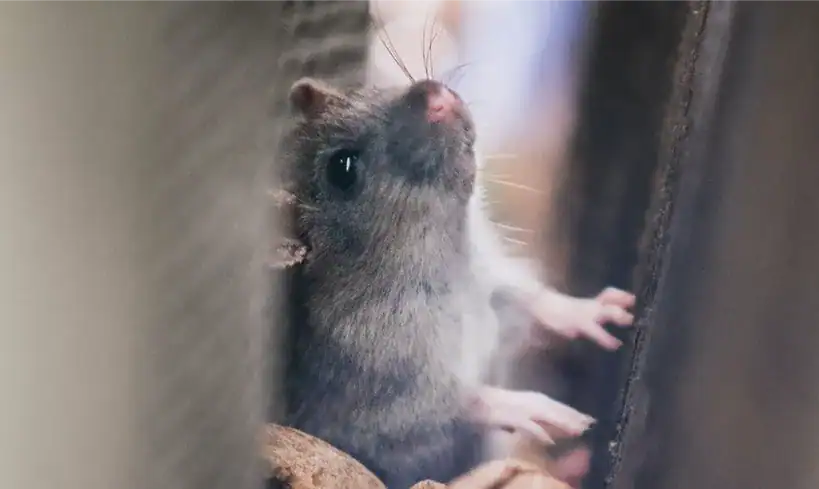
Rodents are a year-round problem for those who own homes in Florida. While you might expect to see them in your kitchen, garage, or attic, many infestations start where you can’t easily spot them: inside your walls. Rodents in walls often go unnoticed until they’ve already caused structural damage, chewed through wires, or left behind health risks. Knowing the warning signs and acting quickly is the best way to protect your home and family.
Why Rodents Like to Nest Inside Walls and Ceilings
Walls and ceilings provide the perfect environment for rodents to thrive. These areas are warm, quiet, and difficult for homeowners to access. The insulation found in walls doubles as both bedding material and protection, while the lack of human disturbance allows rats and mice to breed freely. In addition, the gaps inside walls connect easily to other parts of the home, such as attics and crawlspaces.
Rodents in Florida homes are especially common because of the year-round mild weather. If you’ve ever dealt with rats in the attic, it’s worth paying attention to unusual sounds or odors inside your walls, as these areas are often the next place rodents migrate.
6 Signs You May Have Rodents in Your Walls
It can be challenging to confirm that rodents are inside your walls since you can’t see them directly. However, several telltale indicators point to hidden activity:
- Scratching or scampering at night
- Gnawing or chewing sounds
- Foul odors
- Droppings near baseboards
- Electrical issues (chewed wires)
- Pets fixated on walls
If you notice more than one of these signs, you are likely dealing with rodents in the walls. Acting early can prevent a small issue from turning into a larger infestation.
Common Entry Points Leading into Walls
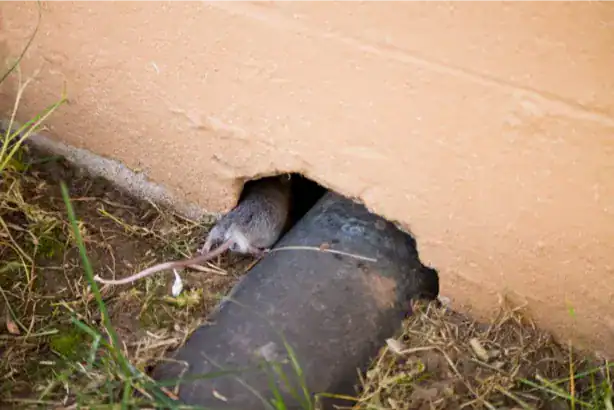
Mice can fit through openings as small as a dime, while rats only need a quarter-sized hole. For Florida homeowners, that means any small gap around doors, windows, or rooflines can become an access point.
Attics are one of the most common starting points, especially since rats in attics often chew through insulation and wiring before moving into walls. Garages are another weak spot, as open doors or poorly sealed corners make it easy for pests to sneak in. Crawlspaces provide dark, damp areas where rodents can travel undisturbed, often leading directly into wall voids. Inside the home, gaps under sinks and behind appliances also create hidden pathways for mice to enter wall cavities.
Because these entry points are so varied, sealing them effectively requires more than just patching holes. Professional inspections can identify less obvious vulnerabilities, such as vent covers or damaged soffits, that may otherwise go unnoticed.
Does DIY Rodent Removal in Walls Actually Work?
Many homeowners try DIY methods when they first hear rodents in the walls, but these approaches are rarely effective long-term. Rodents are excellent at adapting and avoiding traps, especially when their nests are hidden deep inside insulation. Even if you catch a few, the main infestation usually remains untouched.
Another challenge is that rodents rarely stay confined to one space. They move between walls, ceilings, and attics, using pipes and wiring routes as passageways. This makes it nearly impossible to control the problem with store-bought traps alone.
Professional pest control teams use specialized tools to detect and eliminate infestations. Thermal imaging can reveal heat signatures inside walls, while tracking powders and bait stations help locate hidden nests. These methods target the root of the problem instead of just addressing the surface-level symptoms. For this reason, DIY attempts often prolong the issue, while professional treatment provides a lasting solution.
Why Quick Action Matters for Mice in Walls
Rodents pose serious risks to both health and safety. Droppings and urine can contaminate food surfaces and trigger allergies. Rodents are also known carriers of diseases that can spread to humans and pets. Other than health concerns, chewing is one of the biggest threats. Mice and rats gnaw constantly to keep their teeth from growing too long, and electrical wiring inside walls is a frequent target, which creates a fire hazard.
The longer rodents remain inside your walls, the more damage they can cause. Addressing the issue early is always the most cost-effective and safest option.
Professional Solutions for Rodents in Florida
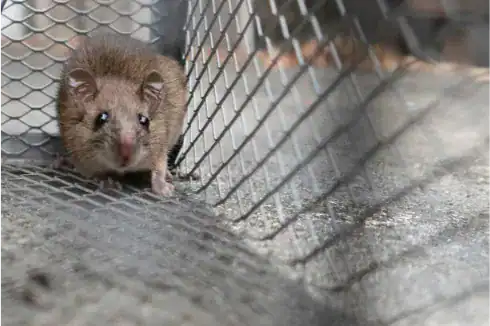
At Arrow Pest Service, we understand how frustrating it can be to deal with rodents in walls or a rat infestation in the attic. Our team specializes in identifying hidden nests, sealing entry points, and using proven treatments to eliminate infestations at the source. We also provide guidance on how to keep your home protected in the future, from sealing structural gaps to reducing food sources that attract pests.
Trust Arrow Pest Service for Rodent Control Services in Florida
If you’re a Panama City homeowner noticing unusual sounds, odors, or other signs of rodents, don’t wait until the problem gets worse. Explore what we treat at Arrow Pest Service and learn more about why rodents invade homes in winter and rodent control in Panama City.
When you’re ready to take the next step, contact Arrow Pest Service to schedule a professional inspection.